



Riskwise+
Modern dentistry
Collection Two 2025 | Malaysia
Explore this selection of case studies, articles, and interviews focused on current dentistry.
Collection Two 2025 | Malaysia
Explore this selection of case studies, articles, and interviews focused on current dentistry.
Joanne La (BOH rep for University of Sydney)
Honestly, I was SO nervous! I'd spent the night and the whole week before printing scripts and rehearsing, but none of it really got used once I was actually in the room. We had a three hour block, which I was so thankful for, because the time flew by despite such a big slot, and I was grateful for my clinical educator standing by me. I was also incredibly lucky to have such an understanding patient, who honestly warmed me up straight away. I remember how rigid I was at first, but the patient's own calm demeanour really helped me settle in.
Looking back, that was the real lesson: no script can prepare you for a genuine conversation. Once I stopped reciting lines and just listened, everything clicked. Being present mattered so much more than being polished, and that's something no textbook can teach you until you're actually there.
Margot Lane (DMD rep for University of Sydney)
My first patient experience was extremely daunting, having to actually sit in the right spot, hold a mirror and LOOK inside a real person's mouth! It took me 2.5 hours to do a new patient check up, and I hadn't even got around to taking bitewings, when all of a sudden the patient leapt out of the chair and told me she was fed up with this appointment and she wasn't going to sit around and feel like a guinea pig for a second longer! I pleaded with her that I only had x-rays to take and then we would be finished, but she was adamant. My supervisor asked her whether she'd like another student appointment, the patient said "no thank you!". It was extremely daunting to then get back in the operator chair and see another patient, but when you hit rock bottom the first time around, you can only go up from there!
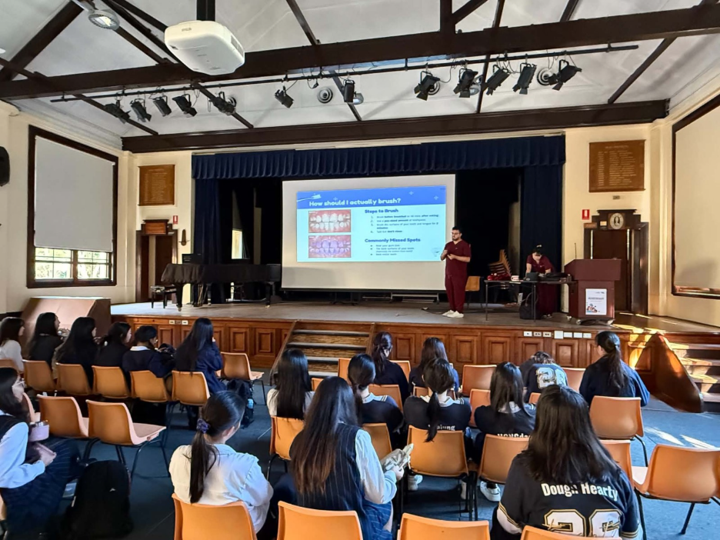
Caption: "Spreading Smiles 🦷✨ One of SUDA’s highlights this year was Spreading Smiles, where our dental students headed out to local kindergartens and schools to get kids excited about looking after their teeth! From learning how to brush properly to understanding why healthy habits matter, our students made oral health education fun, interactive and memorable. It was such a rewarding opportunity to step outside the dental school, connect with the community and hopefully inspire plenty of healthy little smiles along the way!"
Shaya Salehi (CSU)
For me, staying motivated during demanding periods means not allowing dentistry to become my entire identity. While the degree is incredibly important to me, I’ve found that fulfilment and happiness also come from having other things to look forward to each week.
This is especially important at CSU, where many of us live away from our families, loved ones and the lives we had before moving for university. Finding hobbies, staying active, spending time with friends, and making plans outside of dentistry gives me the opportunity to step away from the workload and reset.
Having that separation reminds me that I’m more than just a dental student. It gives my mind the chance to refresh, helps prevent the demands of the degree from becoming overwhelming, and allows me to return to study and clinic each week with a clearer head and renewed motivation.
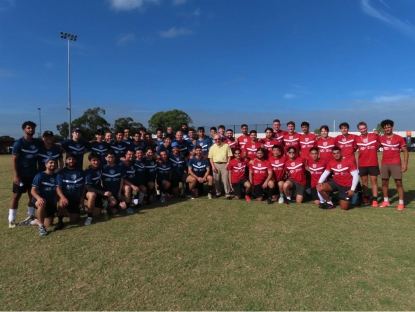
Caption: Bryant Cup with Usyd
University of Queensland rep
Something I wish I learned earlier is that being a good dentist isn't always just about having the best clinical skills and knowledge possible. As a student early in dental school, it's easy to develop tunnel vision and focus on the content we have exams on, like anatomy, pharmacology and technical skills. When you start seeing patients, you see firsthand how much of dentistry comes down to communicating with and understanding them. Learning to explain treatment clearly, manage patients’ anxieties, and build trust has been just as important as the clinical knowledge itself. Developing these skills takes conscious effort, so the sooner you’re aware of it, the better. Remember, your patient might not necessarily know if you’ve done a great cavity preparation or perfectly recreated occlusal anatomy - but they will know whether or not they feel comfortable with you and involved in their own care.
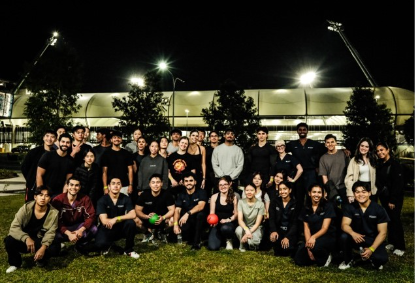
Caption: Members of the UQ Dental Students’ Association at the 2026 UQ Dentistry Dodgeball Cup. Students enjoyed an evening of friendly competition, team spirit and plenty of fun away from the clinic and manikin heads.
Devlon Le (Griffith University)
One habit that has helped me during the year would definitely staying consistent at the gym. Keeping simple but important habits in your lifestyle allows you focused but also serves as a necessary break from the busy and packed schedule of uni life. It is so easy to get overwhelmed and feel burnt out by clinic and lab that you forget to do daily exercise and fitness. I used to try go myself and I often ended up skipping days and procrastinating. I recently started going with a friend every day, which has honestly helped a lot. Having someone there has kept me accountable and also motivated me to stay consistent. Even after a long day of clinic, after the gym I feel alert and energised to get things done around the house and keep up to date with lectures.
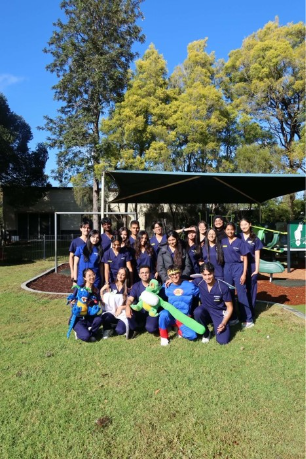
Caption: Dental Outreach Program to Canungra State School
Yunxi Teng (JCU)
Clinical training has taught me that confidence does not simply come from everything going according to plan, but from knowing how to adapt when it does not. When faced with setbacks, I have learned to reflect, identify areas for improvement, and take ownership of my professional development. Keeping a journal of challenging patient cases has helped me turn them into practical learning opportunities. Over time, this process has helped me become more confident and comfortable navigating new clinical challenges.
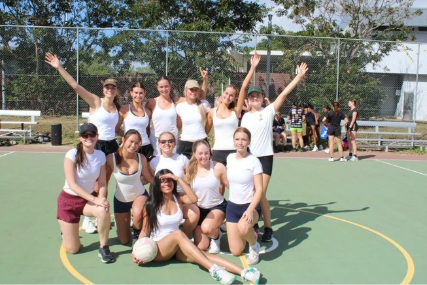
Image: Dentistry girls at the 2026 MIPS Cup 🦷🏆
Dat Hong (University of Adelaide)
Teamwork is essential to surviving dental school. Beyond academic teamwork such as studying together and sharing notes, teamwork builds the foundation for clinical practice. In clinics, we rely constantly on each other for assistance, fourhanded support and peer feedback. And as important as all the school side of dental school is, it’s also important to be able to cut loose and relax. Many of our student colleagues come from overseas or interstate and along with our small cohort sizes helps to build a strong student society culture. We regularly put on events and celebrations for everyone to get involved in, none of which would’ve been possible without the collaborative efforts of the student society.
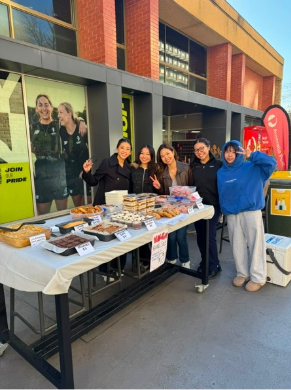
Caption: BDS3 Half Ball Fundraising Bake Sale
Armann Singh (La Trobe University)
I am particularly excited about the rapid evolution of digital dentistry. The shift from uncomfortable physical impressions to high-precision 3D intraoral scanning and chairside milling completely transforms how patients experience restorative care. Instead of waiting weeks for crowns or aligners across multiple visits, patients can receive durable restorations whilst being aesthetic in a single appointment.
Focusing heavily on prosthodontics during my third year at La Trobe has transformed my perspective on restorative care. Working through the complexities of occlusion, facebow records, and complete and partial denture design has highlighted how new technology has made this workflow more efficient.
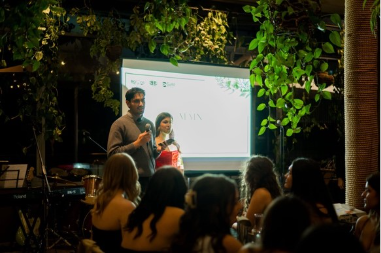
Caption: Our President and Vice-President speaking at this year’s Halfway Dinner to celebrate how far the cohort have come.
Jacob Bos, Melbourne University
Foremost, I plan to invest more time into consolidating dental theory prior to each clinical session, hopefully resurfacing important context and details. Truth is, I’m only in the second semester of second year, and yet it seems that much of the finer details taught earlier in first year have disappeared. Although this is normal within a professional degree, content should be revisited within an opportunistic window, such as before relevant clinical cases.
Why would I want to put in extra work? Well, I believe this will help achieve the breadth of practical competencies necessary to serve smaller centres. As an international Canadian student set on moving rurally once I return, this goal will ensure I can operate effectively based on community needs and limitations. I’m excited to perform as many aspects of dentistry as possible, from conservative dentistry to endodontics, fixed prosthodontics to extractions. However, even with rural dentists having more lee-way space whilst performing a greater extent of dental procedures, with great power comes great responsibility. Therefore, the goal is to go the extra mile, reinforcing my background knowledge to improve my clinical competence in as many domains of dentistry as possible.

Caption: 2026 MDSS Boat Cruise
Dianne Jeong (UWA)
The biggest challenge I have faced this year has been adjusting to the increased demands of second year. With more time spent at university each day balancing lectures, practical sessions, and treating patients, it has felt like a significant step up from first year. Whilst I have valued the opportunity to develop my clinical skills and become more involved in patient care, it has been challenging to find time for additional study and extracurricular activities. Managing these competing commitments has required me to become more intentional with my time, learning to prioritise people, activities and commitments that are personally fulfilling to me. Knowing that many of my peers are experiencing similar challenges has also encouraged me to think about how we can better support students in maintaining a healthy balance between academic and clinical responsibilities, whilst still having opportunities to engage with the wider dental community and maintain meaningful commitments outside university.
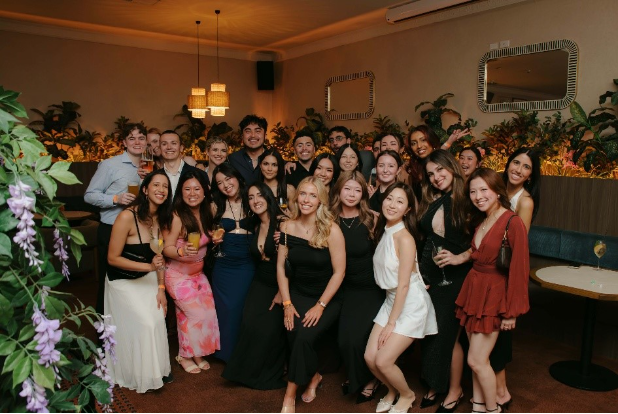
Caption: The UDSS committee at GV Black, one of our main social events of the year.
Emma Lin (2026 ADSA Education Officer)
The part of the week I look forward to the most is definitely the weekend! Saturdays are when I feel like I have the most time to tick things off my checklist while still having time to do the things I genuinely enjoy and relax. I also really enjoy Sundays because I like using them to get organised for the week ahead, having a rough idea of what’s coming up helps me feel prepared and ready to take on whatever the week brings.
Beyond the productivity, though, I really value having that time to myself on the weekend. Dentistry can be quite mentally and physically demanding at times, so I like using the weekend to properly unwind and recharge. Whether that’s moving my body at the gym or Pilates, catching up with friends, practising a bit of self-care, or simply having some quiet time to myself, I enjoy doing things that help me feel refreshed and fill my own cup.
Joanne La (BOH rep for University of Sydney)
Honestly, I was SO nervous! I'd spent the night and the whole week before printing scripts and rehearsing, but none of it really got used once I was actually in the room. We had a three hour block, which I was so thankful for, because the time flew by despite such a big slot, and I was grateful for my clinical educator standing by me. I was also incredibly lucky to have such an understanding patient, who honestly warmed me up straight away. I remember how rigid I was at first, but the patient's own calm demeanour really helped me settle in.
Looking back, that was the real lesson: no script can prepare you for a genuine conversation. Once I stopped reciting lines and just listened, everything clicked. Being present mattered so much more than being polished, and that's something no textbook can teach you until you're actually there.
Margot Lane (DMD rep for University of Sydney)
My first patient experience was extremely daunting, having to actually sit in the right spot, hold a mirror and LOOK inside a real person's mouth! It took me 2.5 hours to do a new patient check up, and I hadn't even got around to taking bitewings, when all of a sudden the patient leapt out of the chair and told me she was fed up with this appointment and she wasn't going to sit around and feel like a guinea pig for a second longer! I pleaded with her that I only had x-rays to take and then we would be finished, but she was adamant. My supervisor asked her whether she'd like another student appointment, the patient said "no thank you!". It was extremely daunting to then get back in the operator chair and see another patient, but when you hit rock bottom the first time around, you can only go up from there!
Caption: "Spreading Smiles 🦷✨ One of SUDA’s highlights this year was Spreading Smiles, where our dental students headed out to local kindergartens and schools to get kids excited about looking after their teeth! From learning how to brush properly to understanding why healthy habits matter, our students made oral health education fun, interactive and memorable. It was such a rewarding opportunity to step outside the dental school, connect with the community and hopefully inspire plenty of healthy little smiles along the way!"
Shaya Salehi (CSU)
For me, staying motivated during demanding periods means not allowing dentistry to become my entire identity. While the degree is incredibly important to me, I’ve found that fulfilment and happiness also come from having other things to look forward to each week.
This is especially important at CSU, where many of us live away from our families, loved ones and the lives we had before moving for university. Finding hobbies, staying active, spending time with friends, and making plans outside of dentistry gives me the opportunity to step away from the workload and reset.
Having that separation reminds me that I’m more than just a dental student. It gives my mind the chance to refresh, helps prevent the demands of the degree from becoming overwhelming, and allows me to return to study and clinic each week with a clearer head and renewed motivation.
Caption: Bryant Cup with Usyd
University of Queensland rep
Something I wish I learned earlier is that being a good dentist isn't always just about having the best clinical skills and knowledge possible. As a student early in dental school, it's easy to develop tunnel vision and focus on the content we have exams on, like anatomy, pharmacology and technical skills. When you start seeing patients, you see firsthand how much of dentistry comes down to communicating with and understanding them. Learning to explain treatment clearly, manage patients’ anxieties, and build trust has been just as important as the clinical knowledge itself. Developing these skills takes conscious effort, so the sooner you’re aware of it, the better. Remember, your patient might not necessarily know if you’ve done a great cavity preparation or perfectly recreated occlusal anatomy - but they will know whether or not they feel comfortable with you and involved in their own care.
Caption: Members of the UQ Dental Students’ Association at the 2026 UQ Dentistry Dodgeball Cup. Students enjoyed an evening of friendly competition, team spirit and plenty of fun away from the clinic and manikin heads.
Devlon Le (Griffith University)
One habit that has helped me during the year would definitely staying consistent at the gym. Keeping simple but important habits in your lifestyle allows you focused but also serves as a necessary break from the busy and packed schedule of uni life. It is so easy to get overwhelmed and feel burnt out by clinic and lab that you forget to do daily exercise and fitness. I used to try go myself and I often ended up skipping days and procrastinating. I recently started going with a friend every day, which has honestly helped a lot. Having someone there has kept me accountable and also motivated me to stay consistent. Even after a long day of clinic, after the gym I feel alert and energised to get things done around the house and keep up to date with lectures.
Caption: Dental Outreach Program to Canungra State School
Yunxi Teng (JCU)
Clinical training has taught me that confidence does not simply come from everything going according to plan, but from knowing how to adapt when it does not. When faced with setbacks, I have learned to reflect, identify areas for improvement, and take ownership of my professional development. Keeping a journal of challenging patient cases has helped me turn them into practical learning opportunities. Over time, this process has helped me become more confident and comfortable navigating new clinical challenges.
Image: Dentistry girls at the 2026 MIPS Cup 🦷🏆
Dat Hong (University of Adelaide)
Teamwork is essential to surviving dental school. Beyond academic teamwork such as studying together and sharing notes, teamwork builds the foundation for clinical practice. In clinics, we rely constantly on each other for assistance, fourhanded support and peer feedback. And as important as all the school side of dental school is, it’s also important to be able to cut loose and relax. Many of our student colleagues come from overseas or interstate and along with our small cohort sizes helps to build a strong student society culture. We regularly put on events and celebrations for everyone to get involved in, none of which would’ve been possible without the collaborative efforts of the student society.
Caption: BDS3 Half Ball Fundraising Bake Sale
Armann Singh (La Trobe University)
I am particularly excited about the rapid evolution of digital dentistry. The shift from uncomfortable physical impressions to high-precision 3D intraoral scanning and chairside milling completely transforms how patients experience restorative care. Instead of waiting weeks for crowns or aligners across multiple visits, patients can receive durable restorations whilst being aesthetic in a single appointment.
Focusing heavily on prosthodontics during my third year at La Trobe has transformed my perspective on restorative care. Working through the complexities of occlusion, facebow records, and complete and partial denture design has highlighted how new technology has made this workflow more efficient.
Caption: Our President and Vice-President speaking at this year’s Halfway Dinner to celebrate how far the cohort have come.
Jacob Bos, Melbourne University
Foremost, I plan to invest more time into consolidating dental theory prior to each clinical session, hopefully resurfacing important context and details. Truth is, I’m only in the second semester of second year, and yet it seems that much of the finer details taught earlier in first year have disappeared. Although this is normal within a professional degree, content should be revisited within an opportunistic window, such as before relevant clinical cases.
Why would I want to put in extra work? Well, I believe this will help achieve the breadth of practical competencies necessary to serve smaller centres. As an international Canadian student set on moving rurally once I return, this goal will ensure I can operate effectively based on community needs and limitations. I’m excited to perform as many aspects of dentistry as possible, from conservative dentistry to endodontics, fixed prosthodontics to extractions. However, even with rural dentists having more lee-way space whilst performing a greater extent of dental procedures, with great power comes great responsibility. Therefore, the goal is to go the extra mile, reinforcing my background knowledge to improve my clinical competence in as many domains of dentistry as possible.
Caption: 2026 MDSS Boat Cruise
Dianne Jeong (UWA)
The biggest challenge I have faced this year has been adjusting to the increased demands of second year. With more time spent at university each day balancing lectures, practical sessions, and treating patients, it has felt like a significant step up from first year. Whilst I have valued the opportunity to develop my clinical skills and become more involved in patient care, it has been challenging to find time for additional study and extracurricular activities. Managing these competing commitments has required me to become more intentional with my time, learning to prioritise people, activities and commitments that are personally fulfilling to me. Knowing that many of my peers are experiencing similar challenges has also encouraged me to think about how we can better support students in maintaining a healthy balance between academic and clinical responsibilities, whilst still having opportunities to engage with the wider dental community and maintain meaningful commitments outside university.
Caption: The UDSS committee at GV Black, one of our main social events of the year.
Emma Lin (2026 ADSA Education Officer)
The part of the week I look forward to the most is definitely the weekend! Saturdays are when I feel like I have the most time to tick things off my checklist while still having time to do the things I genuinely enjoy and relax. I also really enjoy Sundays because I like using them to get organised for the week ahead, having a rough idea of what’s coming up helps me feel prepared and ready to take on whatever the week brings.
Beyond the productivity, though, I really value having that time to myself on the weekend. Dentistry can be quite mentally and physically demanding at times, so I like using the weekend to properly unwind and recharge. Whether that’s moving my body at the gym or Pilates, catching up with friends, practising a bit of self-care, or simply having some quiet time to myself, I enjoy doing things that help me feel refreshed and fill my own cup.


Leave a comment